


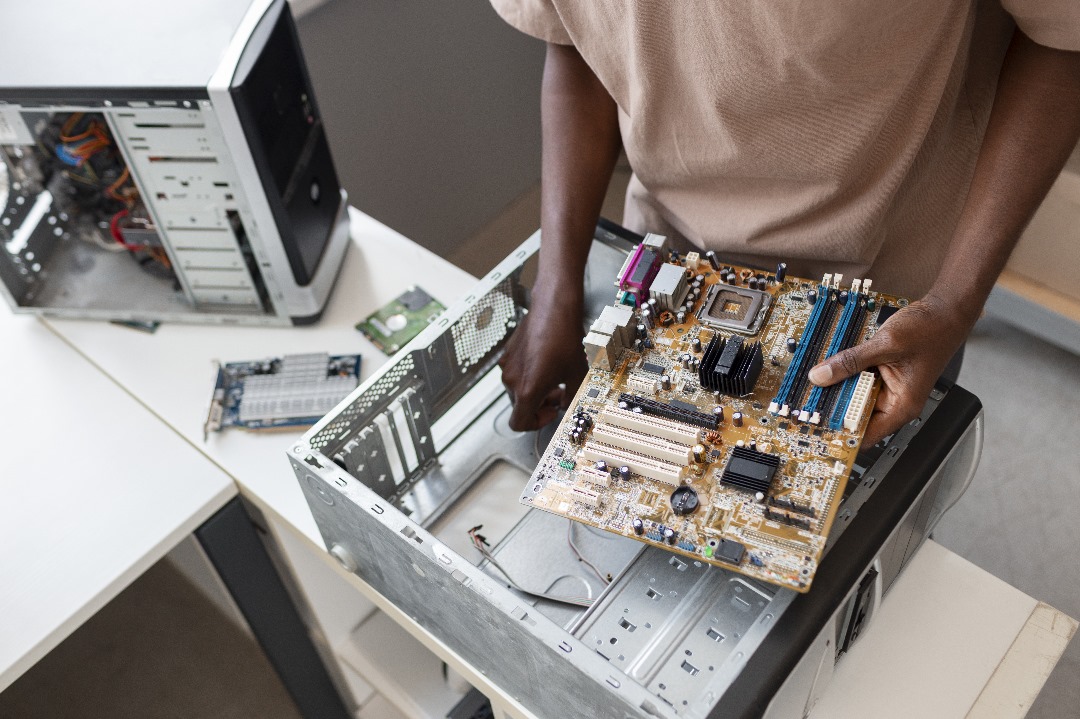
In a world where laptops and desktops power nearly everything we do—work, school, business, and entertainment—a slow or faulty computer can quickly become a big problem. Many people ignore maintenance until something breaks, but this approach often costs far more than simply taking care of the device regularly.
Here’s why consistent computer maintenance is a smart long-term money saver.
1. It Prevents Expensive Repairs
Many major hardware failures—like hard drive crashes or overheating—start as small issues. Routine checkups help detect problems early before they damage other components and require costly repairs or complete replacements.
2. It Extends the Lifespan of Your Device
Just like a car, a computer lasts longer when properly maintained. Cleaning dust, updating software, replacing thermal paste, and checking battery health can add years to your device’s lifespan, reducing the need to buy a new system frequently.
3. It Improves Performance and Saves Time
A sluggish computer wastes valuable hours you could spend working. Regular optimization—removing junk files, updating drivers, fixing errors—keeps your system fast and efficient. Time saved is money saved.
4. It Reduces the Risk of Data Loss
Data recovery is expensive, and sometimes impossible. Regular backups, disk health monitoring, and antivirus protection reduce the risk of losing important files and paying high recovery fees.
5. It Protects You from Cyber Threats
Viruses and malware can corrupt files, steal data, slow down your system, or even lock your device (ransomware). Maintaining up-to-date security tools helps prevent attacks that may cost money to fix—or worse, compromise your business.
6. It Helps You Avoid Unexpected Downtime
Nothing hurts productivity like your system crashing in the middle of important work. Scheduled maintenance ensures your device is reliable, reducing downtime that could lead to missed deadlines or lost business opportunities.
7. It Keeps Software Running Smoothly
Outdated software often becomes incompatible, crashes frequently, or consumes unnecessary resources. Updating apps and operating systems helps maintain smooth performance and prevents costly disruptions.
Conclusion
Regular computer maintenance isn’t a luxury—it’s a cost-saving strategy. A little prevention today helps you avoid big expenses tomorrow. Whether you use your computer for business, learning, or personal tasks, consistent care keeps it faster, safer, and more reliable for years